

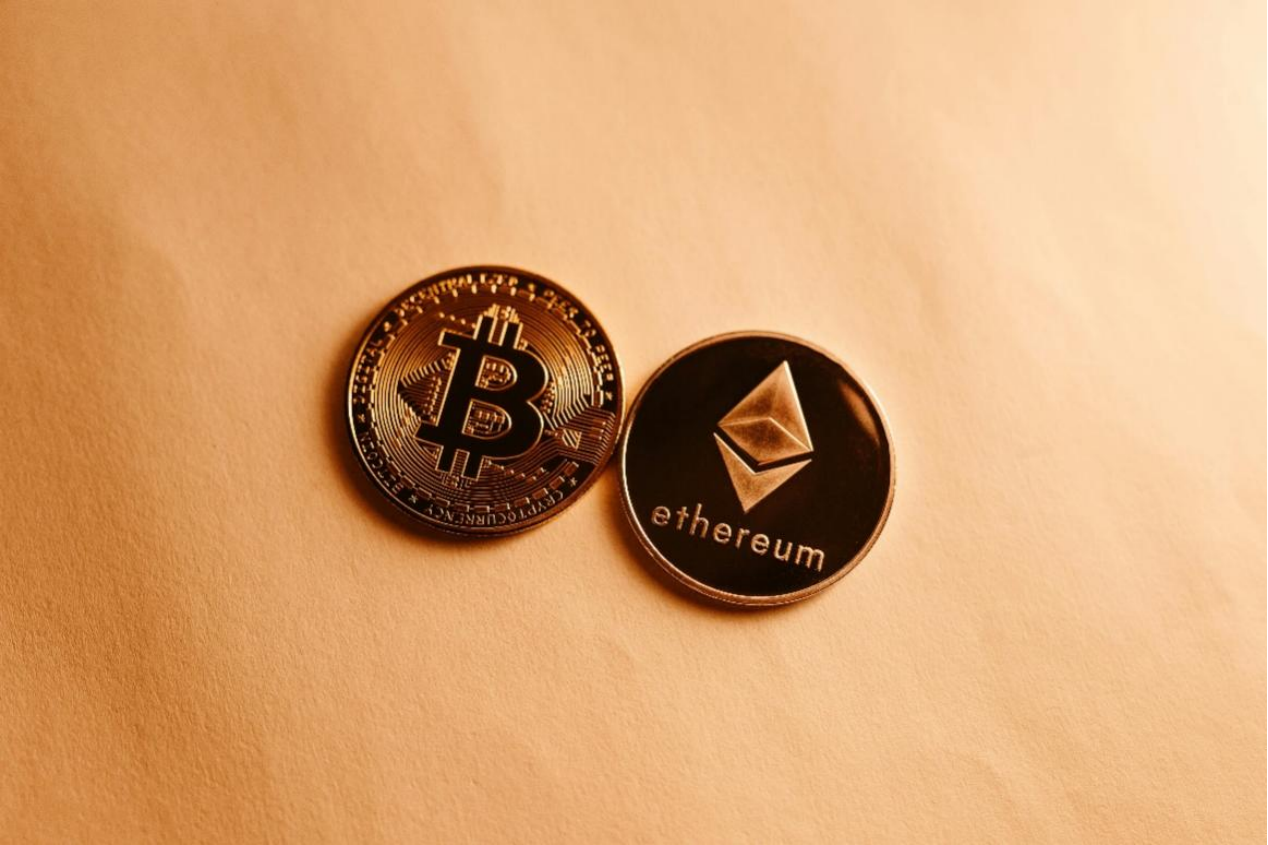
The Economics of Gas Fees: Strategies to Optimize Transactions in DeFi
Gas fees are the lifeblood of blockchain networks like Ethereum, incentivizing miners or validators to process transactions and secure the ecosystem. However, these fees can fluctuate wildly, creating challenges for traders, investors, and developers in the decentralized finance (DeFi) space. This blog examines the economics of gas fees and provides actionable strategies to minimize costs, ensuring that transactions remain cost-effective and efficient.
Understanding Gas Fees: The Basics
Gas fees are the transaction costs required to perform operations on a blockchain network. On Ethereum, gas is measured in “gwei,” a fractional denomination of Ether (ETH). These fees are necessary for executing smart contracts, transferring tokens, or interacting with DeFi protocols.
Key Components of Gas Fees
1. Gas Limit: The maximum amount of gas a user is willing to pay for a transaction.
2. Base Fee: A mandatory fee set by the network, which fluctuates based on demand.
3. Tip (Priority Fee): An optional incentive for miners or validators to prioritize a transaction.
As blockchain adoption grows, congestion during peak periods can drive up fees significantly, impacting users relying on DeFi finance consulting services or blockchain ecosystems for routine operations.
The Economics Behind Gas Fee Volatility
Supply and Demand Dynamics
Gas fees are primarily influenced by network congestion. During periods of high activity, such as NFT drops or market volatility, the demand for transaction processing increases. This surge forces users to bid higher fees to prioritize their transactions.
For example, in May 2021, Ethereum gas fees peaked at over $300 per transaction due to a surge in DeFi and NFT activity. These costs can undermine the accessibility of cryptocurrency investment solutions and discourage smaller investors.
Layer-1 Scalability Limitations
Ethereum’s limited throughput exacerbates gas fee volatility. The network processes around 15 transactions per second (TPS), compared to traditional payment systems like Visa, which handles 24,000 TPS. The emergence of global digital asset consulting firms highlights the urgent need for scalable solutions.
Strategies to Optimize Gas Fees
Minimizing gas fees requires a mix of planning, technology adoption, and strategic execution. Here are some effective strategies for traders and institutional investors:
1. Use Layer-2 Solutions
Layer-2 scaling solutions like Optimistic Rollups and zk-Rollups significantly reduce gas fees by processing transactions off-chain. These technologies allow users to interact with digital asset investment solutions without the burden of high costs.
- Example: Arbitrum and Optimism, two popular Layer-2 platforms, have reduced transaction costs by over 90% compared to Ethereum’s mainnet.
2. Leverage Gas Fee Trackers
Monitoring real-time gas prices can help users identify optimal times for transactions. Tools like Etherscan’s Gas Tracker provide insights into network activity, enabling cost-efficient decision-making for those utilizing cryptocurrency investment consultant services.
3. Batch Transactions
For users performing multiple transactions, batching them into a single smart contract can save on cumulative gas fees. This approach is particularly beneficial for blockchain asset investments consultant clients managing high-volume trades.
4. Time Transactions Strategically
Gas fees are generally lower during off-peak hours, such as weekends or early mornings (UTC). Scheduling transactions during these times can minimize costs, benefiting users reliant on digital assets consulting for regular DeFi activities.
The Role of Algorithmic Stablecoins in Gas Optimization
Algorithmic stablecoins, such as DAI and UST (prior to its collapse), provide cost-efficient ways to interact with DeFi protocols. Unlike traditional cryptocurrencies, Stablecoins for investment offer price stability, reducing the risk of high slippage during volatile periods.
- Use Case: A trader using algorithmic stablecoins for liquidity provision in a decentralized exchange can avoid excessive fees tied to volatile assets like ETH or BTC.
- Support: RWA tokenization investment consultants often advocate stablecoins for bridging traditional and decentralized finance systems.

Institutional Investors and Gas Fee Management
Adoption of Advanced Tools
Institutional players leverage analytics platforms and automated tools to optimize gas fees. These tools integrate with digital asset portfolio management systems, providing insights into fee trends and transaction efficiency.
- Example: Hedge funds and hedge fund investment companies often utilize blockchain analytics tools to manage large-scale trades without overpaying.
Custom Gas Management Strategies
For institutional players, collaborating with a digital asset management company or blockchain asset consulting service can ensure tailored gas optimization strategies. This approach aligns transaction costs with broader portfolio goals.
Challenges in Gas Fee Optimization
Network Congestion
Despite advancements, high network congestion remains a bottleneck for cost efficiency. The rise of real world DeFi investment consultants highlights the growing need for scalable solutions to accommodate institutional demand.
User Accessibility
Gas optimization tools are often designed for advanced users, creating barriers for retail investors and startups seeking digital asset consulting for startups.
Regulatory Implications
As digital asset consulting for compliance grows in prominence, regulatory frameworks may impose additional layers of transaction costs, further complicating fee management.
Innovations to Address Gas Fee Challenges
Ethereum 2.0 and Sharding
Ethereum’s transition to Proof-of-Stake (PoS) and eventual implementation of sharding aims to increase throughput, reducing gas fees. This upgrade is expected to benefit blockchain and digital asset consulting firms focused on DeFi scalability.
Cross-Chain Solutions
Protocols enabling interoperability, such as Polkadot and Cosmos, allow users to move assets across chains with lower fees. This innovation is crucial for real world assets on chain investment consultants aiming to integrate DeFi with traditional finance.
DeFi Aggregators
DeFi aggregators like 1inch and Matcha optimize trades by finding the best routes across multiple exchanges. These platforms are invaluable for portfolio management consultant services seeking to maximize efficiency.
The Broader Implications of Gas Fees
Gas fees are more than just a cost; they reflect the underlying economic principles of blockchain networks. By understanding and optimizing these fees, both retail and institutional players can unlock new opportunities in crypto asset management and DeFi ecosystems.
Empowering DeFi Accessibility
Lowering gas fees is critical for expanding financial access, particularly in underserved regions. Collaborations with real world asset consultants and RWA DeFi investment consultants can bridge the gap between DeFi and traditional finance.
Encouraging Institutional Participation
Efficient gas management strategies are pivotal for attracting institutional capital. Security tokens investment consultants and digital asset management services play a vital role in ensuring seamless integration of traditional and decentralized systems.
Stay Informed with Kenson Investments
Kenson Investments provides comprehensive resources to help individuals understand the evolving world of blockchain and digital assets. Discover how education can empower informed financial decisions.
About the Author
This article was written by a dedicated blockchain researcher specializing in decentralized finance and digital asset ecosystems. With a passion for simplifying complex topics, they focus on educating readers about emerging trends in blockchain technology, including transaction efficiency, tokenization, and digital asset strategies. Their work is crafted to empower individuals and organizations to navigate the evolving world of DeFi with confidence.
Disclaimer: The information provided on this page is for educational and informational purposes only and should not be construed as financial advice. Crypto currency assets involve inherent risks, and past performance is not indicative of future results. Always conduct thorough research and consult with a qualified financial advisor before making investment decisions.
“The crypto currency and digital asset space is an emerging asset class that has not yet been regulated by the SEC and US Federal Government. None of the information provided by Kenson LLC should be considered as financial investment advice. Please consult your Registered Financial Advisor for guidance. Kenson LLC does not offer any products regulated by the SEC including, equities, registered securities, ETFs, stocks, bonds, or equivalents”
